One of the first things you’ll notice in Bali is the incredible abundance of color, and nowhere is this more vibrant than at a local fruit market, or pasar. The fragrant air and towering displays of exotic shapes and sizes can be both exciting and a little overwhelming. If you’ve ever wondered what those strange, spiky-looking fruits are, consider this your official flavor map. Exploring the amazing tropical fruits in Bali is an adventure for your taste buds.
A Rainbow of Flavors: Your Bali Fruit Checklist
Here are 10 essential fruits to seek out, from their taste and benefits to the best way to enjoy them.
1. Mangosteen (Manggis) – “The Queen of Fruits”
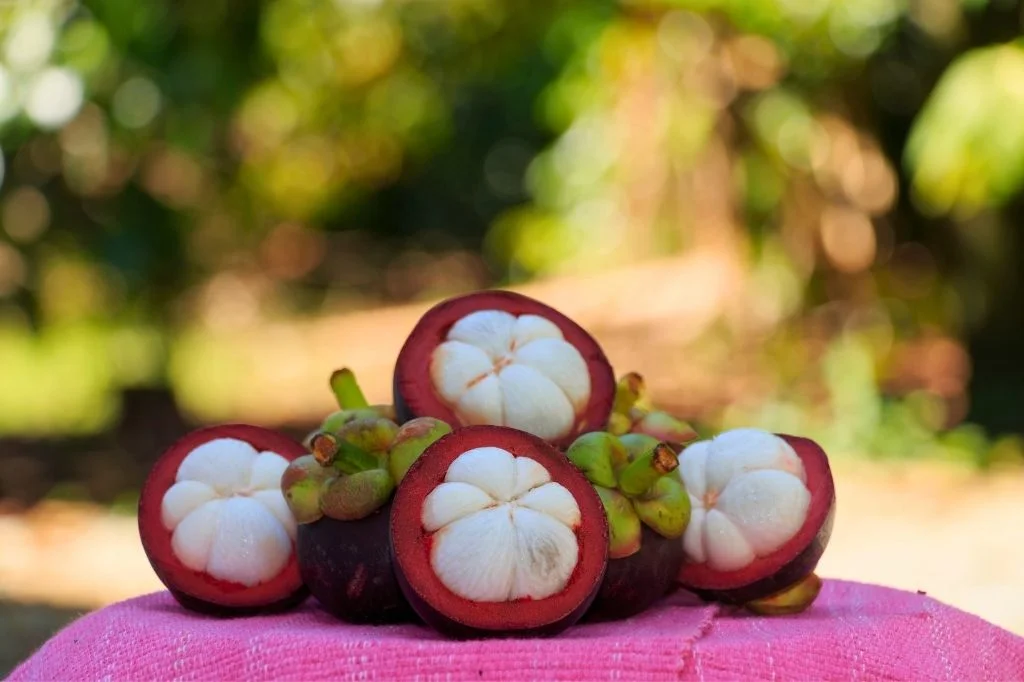
Don’t let the tough purple exterior fool you; inside lies a treasure. Mangosteen is revered across Asia for its exquisite flavor and powerful health properties, earning it its royal nickname.
- Taste & Texture: Delicately sweet with a slight tartness. The soft, white segments are juicy and melt in your mouth, almost like a lychee-peach hybrid.
- Key Health Benefits: Packed with xanthones, a unique type of antioxidant known for its potent anti-inflammatory properties.
- How to Eat It: Gently squeeze the middle of the fruit until the shell cracks open. Twist it apart and enjoy the white segments inside, being careful to discard the bitter seeds.
2. Salak – “The Snake Fruit”
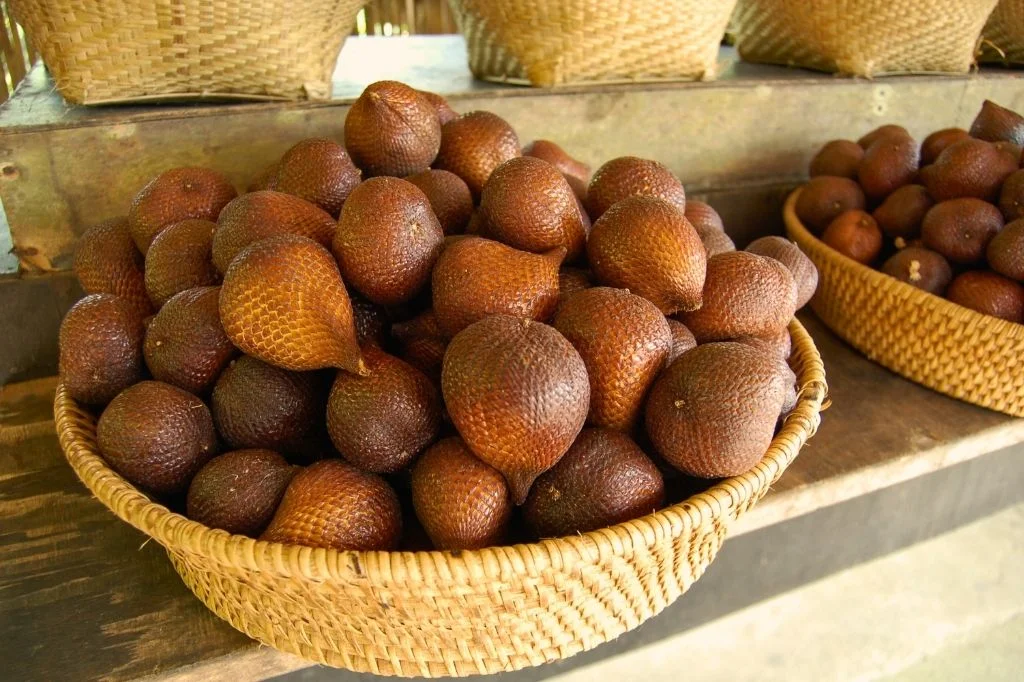
Named for its reddish-brown, scaly skin that resembles a snake, Salak is a uniquely Balinese snack. It’s the perfect crunchy, portable treat to take with you on a day of exploring.
- Taste & Texture: Crunchy and crisp like an apple, with a sweet flavor that has hints of pineapple and citrus.
- Key Health Benefits: A good source of fiber, which aids in digestion, and potassium for cardiovascular health.
- How to Eat It: Pinch and peel the pointy tip of the fruit. The thin, brittle skin will come off easily, revealing three pearly-white lobes.
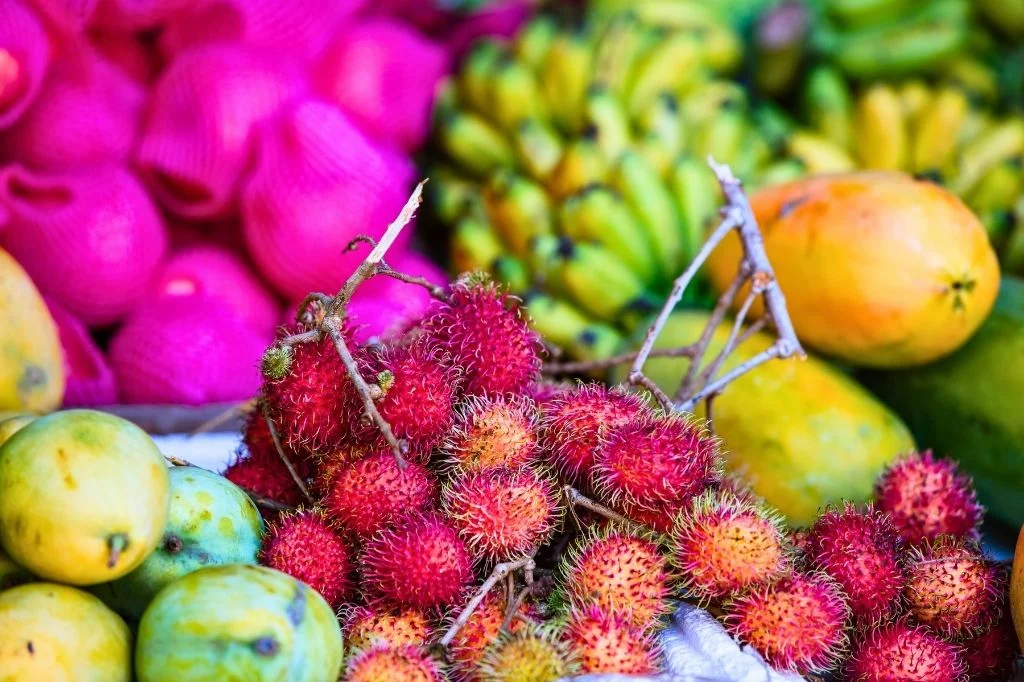
3. Rambutan – “The Hairy One”
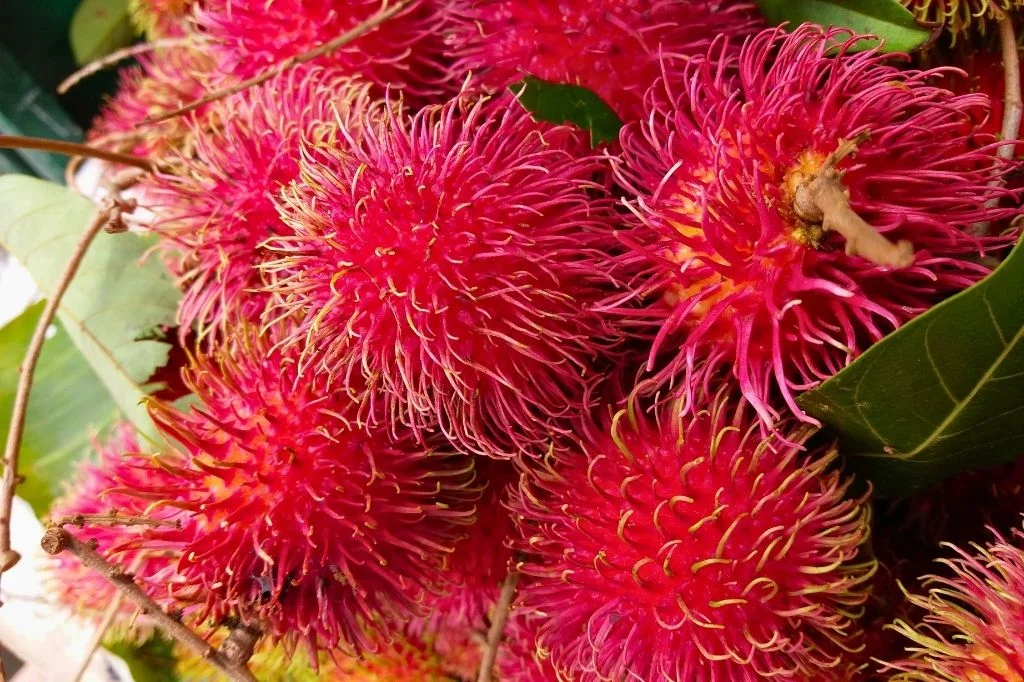
Rambut is the Indonesian word for “hair,” and it’s easy to see how this fruit got its name. These vibrant red orbs are one of the most fun and delicious tropical fruits in Bali.
- Taste & Texture: Sweet, juicy, and slightly floral, with a texture very similar to a lychee or a firm grape.
- Key Health Benefits: An excellent source of Vitamin C to boost your immune system, as well as copper and iron.
- How to Eat It: Tear the skin open with your nails or a small knife and pop the translucent white orb into your mouth. Eat around the single seed in the middle.
4. Dragon Fruit (Buah Naga) – “The Pink Powerhouse”
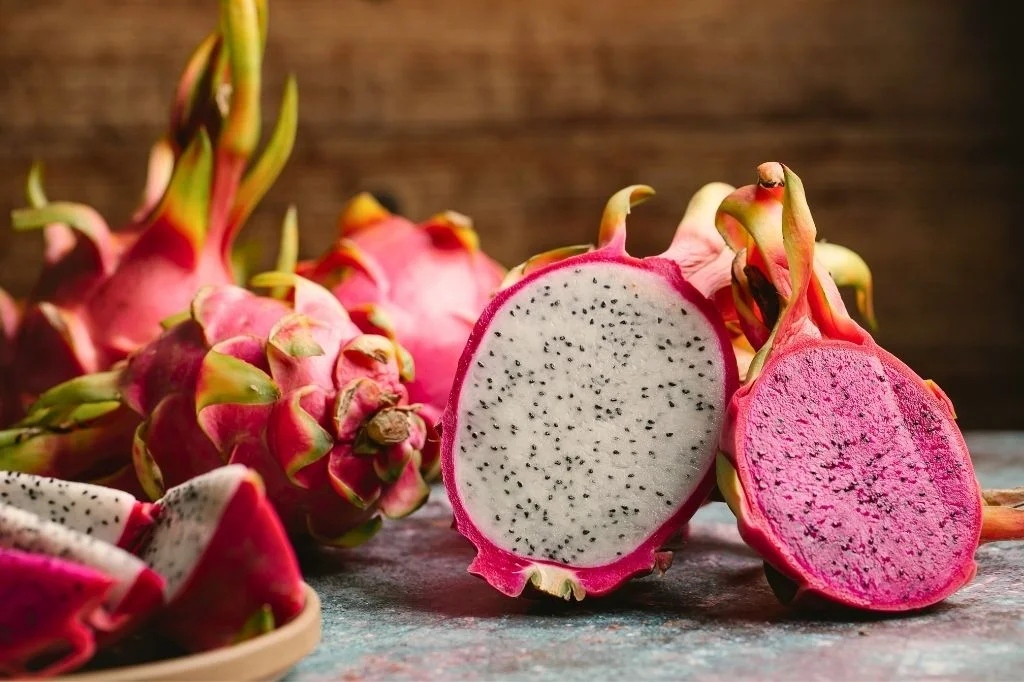
With its shocking pink skin and green scales, dragon fruit looks like something from another planet. It’s a staple in Bali’s smoothie bowls and fresh juices for good reason.
- Taste & Texture: Mildly sweet with a texture dotted with tiny, crunchy black seeds, similar to a kiwi.
- Key Health Benefits: Rich in fiber for digestive health, and the red-fleshed variety is loaded with antioxidants.
- How to Eat It: Slice it in half lengthwise and scoop the flesh out with a spoon, or peel the skin back and slice it into cubes.
5. Jackfruit (Nangka) – “The Versatile Giant”
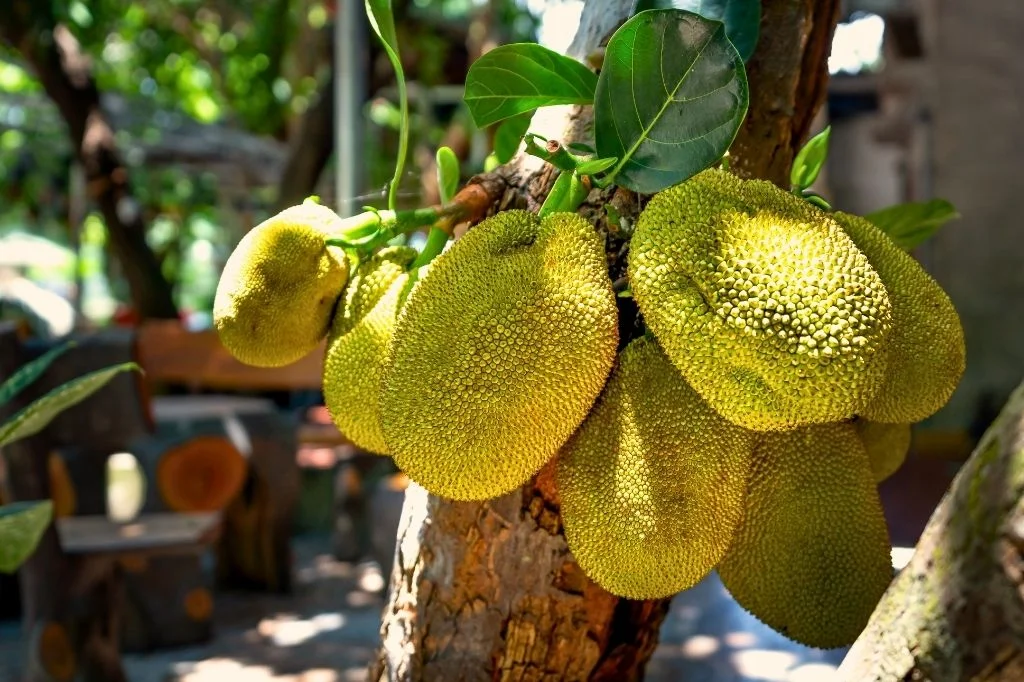
Growing up to 80 pounds, jackfruit is the largest tree-borne fruit in the world. When ripe, its fragrant pods are a sweet delicacy, and when unripe, it’s famously used as a vegan meat substitute.
- Taste & Texture: The ripe yellow pods have a distinctively sweet flavor, often described as a mix of banana, pineapple, and mango, with a slightly chewy texture.
- Key Health Benefits: A good source of Vitamin B6, which is important for brain function, and dietary fiber.
- How to Eat It: It’s easiest to buy pre-cut from a vendor. Simply enjoy the fleshy pods and discard the large seeds.
6. Durian – “The King of Fruits (Love It or Hate It!)”

No Bali fruit guide is complete without mentioning the notorious Durian. Its powerful, pungent aroma is so strong it’s banned in many hotels, but for those who love it, its flavor is pure bliss.
- Taste & Texture: Rich, creamy, and custard-like. The flavor is a complex mix of sweet, savory, and slightly bitter—unlike anything else you’ve ever tasted.
- Key Health Benefits: Very high in energy-boosting carbohydrates, potassium, and B vitamins.
- How to Eat It: This is best left to the experts. Find a street-side durian stall, and the vendor will crack it open for you to eat on the spot.
7. Passion Fruit (Markisa) – “The Tangy Treat”
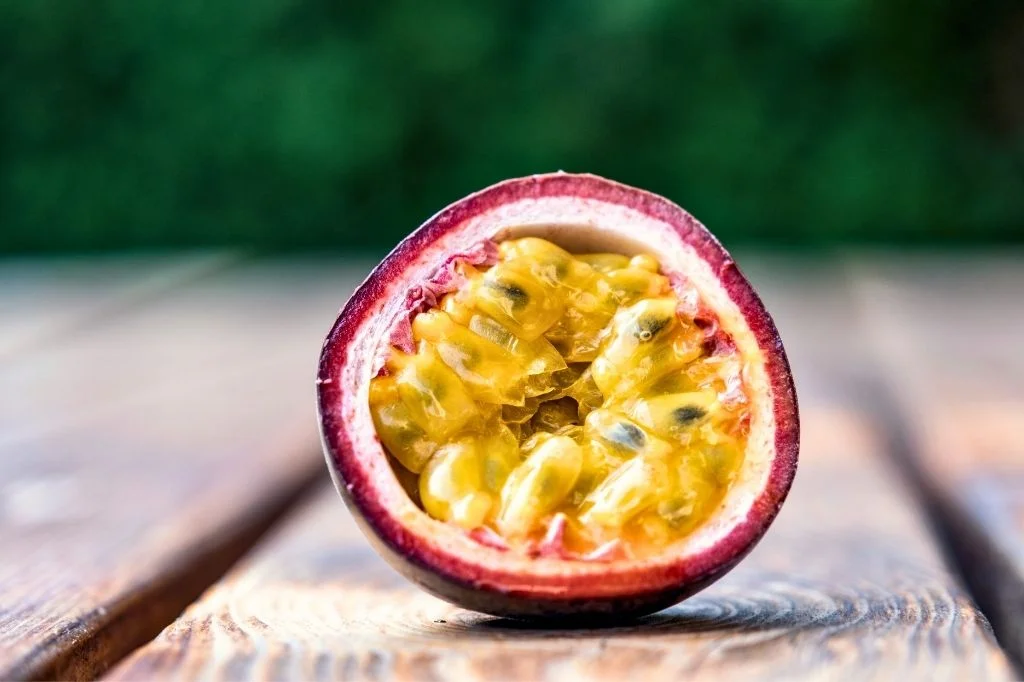
This small, unassuming fruit holds a burst of intense tropical flavor. It’s a favorite for adding a zesty kick to juices, cocktails, and desserts.
- Taste & Texture: Aromatic, tangy, and sweet. The pulp is liquidy and filled with small, crunchy, edible black seeds.
- Key Health Benefits: High in Vitamin A, which is essential for vision and immune function, and rich in fiber.
- How to Eat It: Slice it in half and use a spoon to scoop out the delicious pulp and seeds.
8. Soursop (Sirsak) – “The Creamy Healer”
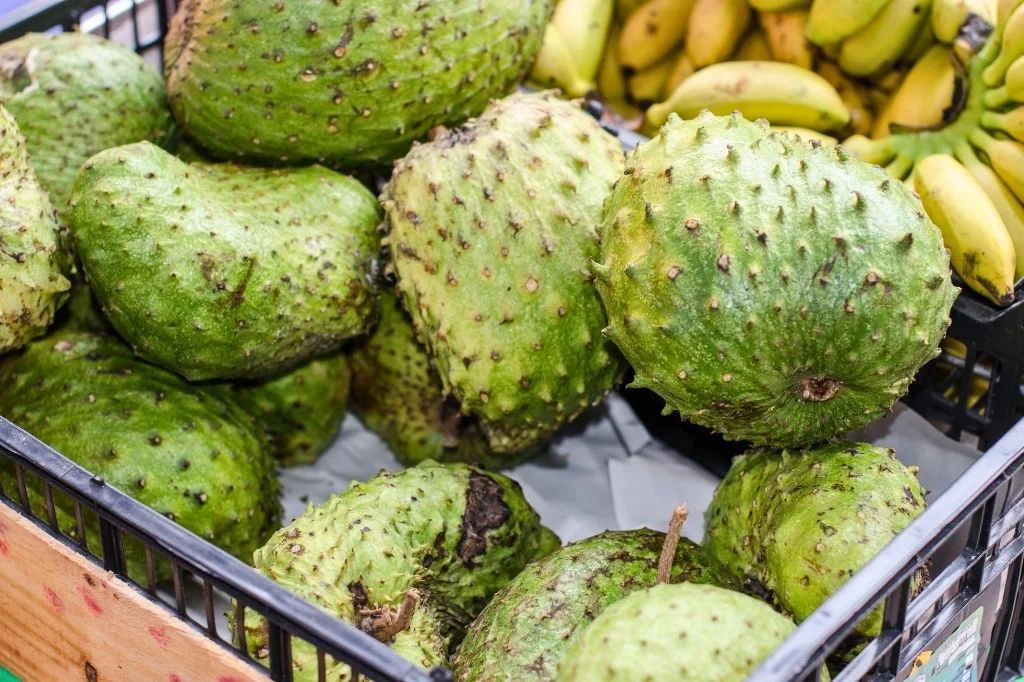
With its green, spiky skin and soft white flesh, Soursop is as delicious as it is unique. It’s often blended into a thick, creamy juice that is incredibly refreshing.
- Taste & Texture: Creamy and velvety. The flavor is a delightful combination of strawberry and pineapple with a tangy citrus finish.
- Key Health Benefits: Traditionally used in herbal medicine for its anti-inflammatory and antioxidant properties.
- How to Eat It: It’s often enjoyed as a thick juice or smoothie. To eat fresh, tear the skin and eat the fibrous, juicy flesh, spitting out the large black seeds.
9. Guava (Jambu Biji) – “The Vitamin C Bomb”
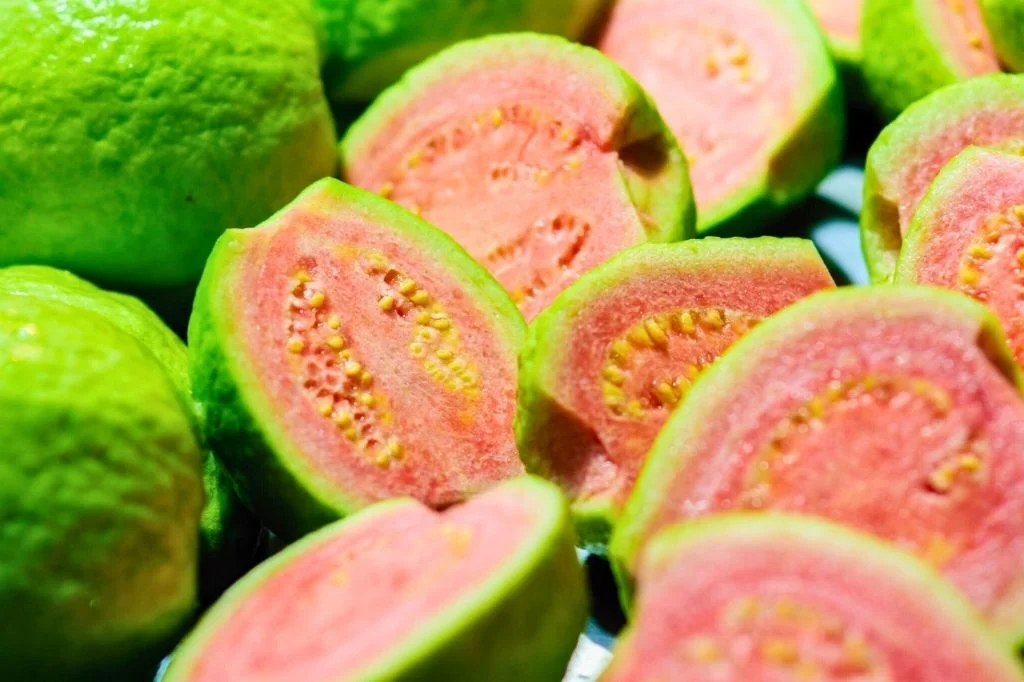
Forget oranges; guava is one of the richest sources of Vitamin C on the planet. This humble fruit is a powerhouse of nutrition and a common sight in Bali.
- Taste & Texture: Sweet, fragrant, and slightly musky. The texture can range from crunchy like a pear to soft and tender, with small, hard, edible seeds in the center.
- Key Health Benefits: Contains about four times the Vitamin C of an orange, making it incredible for immune support.
- How to Eat It: Simply wash it and eat it like an apple, skin and all.
10. Young Coconut (Kelapa Muda) – “Nature’s Gatorade”
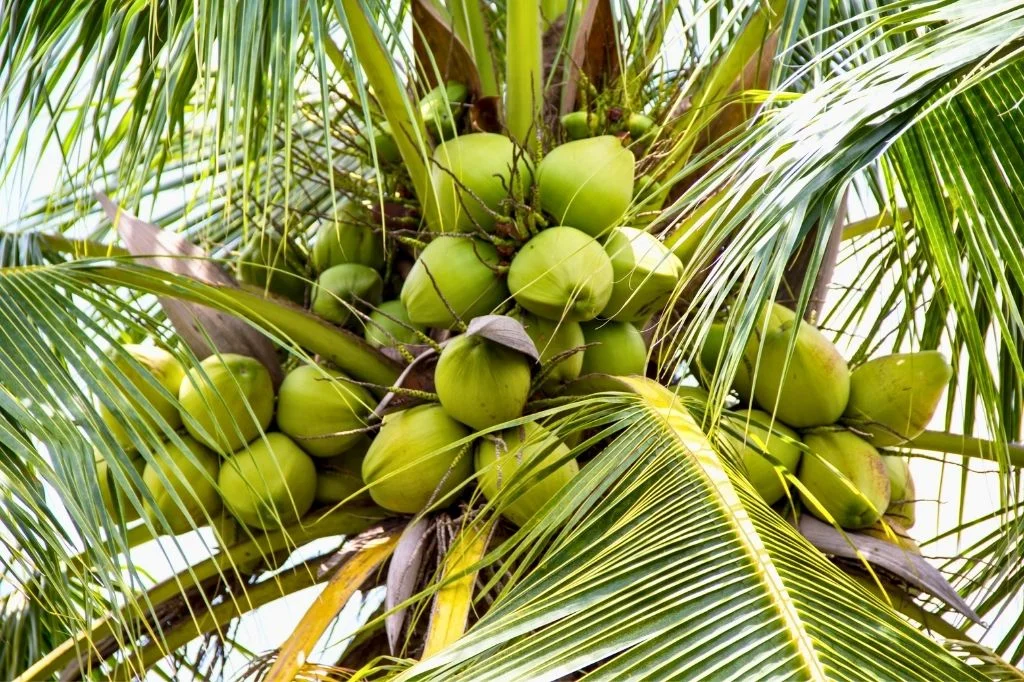
There’s nothing more iconic than sipping directly from a fresh young coconut on a Bali beach. The water inside is one of nature’s most perfect drinks for hydration.
- Taste & Texture: The water is refreshing, crisp, and slightly sweet. The young flesh is soft, with a jelly-like consistency.
- Key Health Benefits: Extremely hydrating and packed with natural electrolytes like potassium, making it far superior to sugary sports drinks.
- How to Eat It: A vendor will expertly chop the top off for you with a machete. Drink the water first, then ask them to crack it open so you can scoop out the flesh. It’s one of the best other ways to stay hydrated in the Bali heat.
Pro Tips for Buying Fruit in Bali
- Shop at a Pasar: For the best prices and freshest selection, visit a traditional morning market (pasar).
- Ask for a Sample: Don’t be afraid to politely ask, “Coba dulu?” (May I try first?). Most vendors are happy to let you sample.
- Learn a Little Bahasa: A simple “Ini berapa?” (How much is this?) and a smile will go a long way.
Final Thoughts: A Taste of Paradise
Exploring the incredible diversity of tropical fruits in Bali is one of the great joys of visiting the island. Be adventurous, try something new, and enjoy the delicious, nourishing gifts that grow so abundantly here. It’s one of the most enjoyable ways of staying hydrated and energized during your stay.
Frequently Asked Questions about Tropical Fruits in Bali
What is the “fruit season” in Bali?
Bali is lucky to have a year-round fruit season, but some are best at certain times. For example, mangosteen and rambutan are most abundant during the rainy season (around November to February).
Is it safe to eat fruit from local markets?
Absolutely! Just be sure to wash any fruit thoroughly with clean, bottled water before you eat it, especially if you plan to eat the skin.
How do I choose a ripe papaya?
Look for a papaya that is mostly yellow-orange and gives slightly to gentle pressure. Avoid ones that are overly soft, bruised, or still very green.
Can I bring these fruits back home with me?
Unfortunately, most countries have strict regulations against bringing fresh fruit across borders. It’s best to enjoy them while you’re in Bali.
What is that famously smelly fruit everyone talks about?
That would be Durian, the “King of Fruits.” Its powerful aroma is banned in many hotels, but its creamy, complex flavor is considered a delicacy by many.
Are there any fruits I should be cautious of?
Besides common allergies, be mindful that some fruits, like durian, are considered very “heating” in traditional medicine and are best eaten in moderation.
How do you say “how much is this?” in Indonesian?
A simple and polite way to ask is, “Ini berapa?” (Ee-nee ber-ah-pa?). A smile goes a long way!
Besides eating them fresh, how are these fruits used?
Many are used in delicious fresh juices, smoothies, and desserts like “es buah.” Jackfruit is famously used as a meat substitute in savory vegan dishes.
What’s the difference between red and white dragon fruit?
While they look the same on the outside, the red (or magenta) dragon fruit tends to be slightly sweeter and is packed with more antioxidants than its white-fleshed counterpart.
Is young coconut really that good for hydration?
Yes, it’s one of the best natural hydrators. The water is rich in electrolytes like potassium, making it fantastic for replenishing your body in the Bali heat.