One of the great joys of visiting Bali is the food. From fragrant curries to sizzling satay, there’s a world of flavour to explore. But there’s also the traveller’s dilemma: how do you dive into the local cuisine while still feeling healthy, energised, and avoiding the dreaded “Bali Belly”? The good news is, it’s all about balance. These five practical tips for healthy eating while traveling in Bali will help you achieve just that.
The Golden Rule: Embrace Balance, Not Restriction
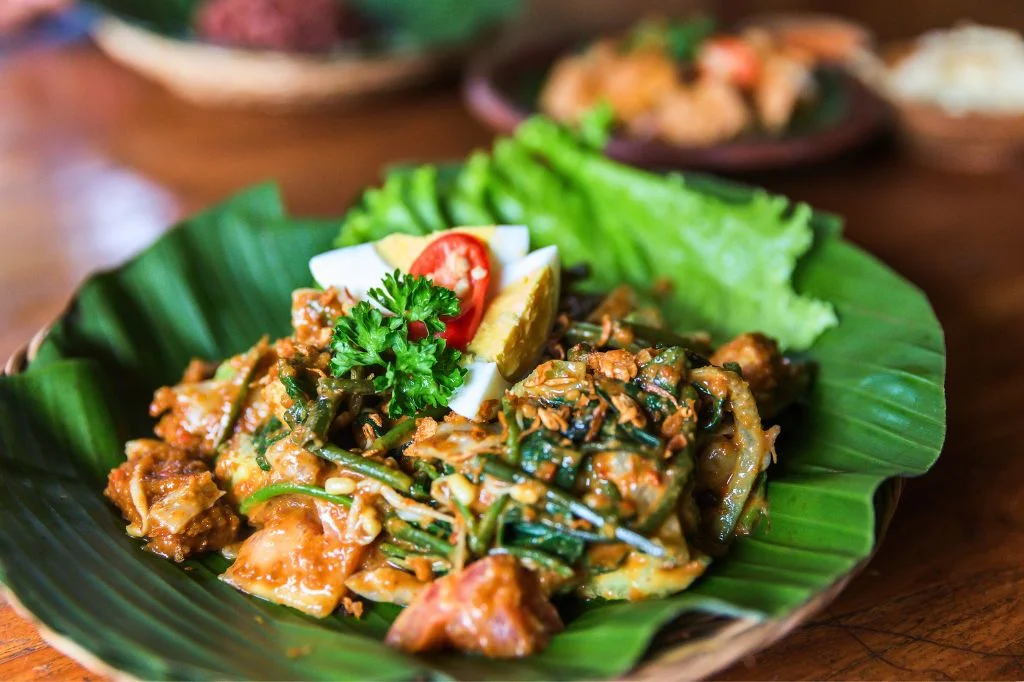
Let’s be clear: this is not a guide about avoiding Nasi Goreng. A huge part of travel is experiencing the local culture through its food. This guide is about making smart, informed choices so you can enjoy those must-try dishes without guilt, while keeping your body nourished and happy. It’s about adding healthy habits, not restricting your experiences.
Your 5-Step Guide to Nourished Travels
Here are five simple, actionable tips to keep you feeling your best.
1. Start Your Day with Tropical Fruit
Start your day by skipping the heavy pastries and opting for fresh fruit, which is abundant in Bali and packed with vitamins, fiber, and hydrating fluids. Enjoy the fruit platter at your hotel or visit a local market (pasar) to discover new favourites. For a complete look at what’s in season, check out our guide to Bali’s tropical fruits.
2. Choose “Warungs” Wisely
Warungs are small, family-run eateries that offer an authentic taste of Indonesia, but it pays to be selective. To choose wisely, look for signs of a great spot: it’s busy (especially with locals), the food turnover is high (meaning it’s fresh), and the cooking area looks clean. This is your best bet for a delicious and safe local meal.
3. Hydrate with More Than Just Water
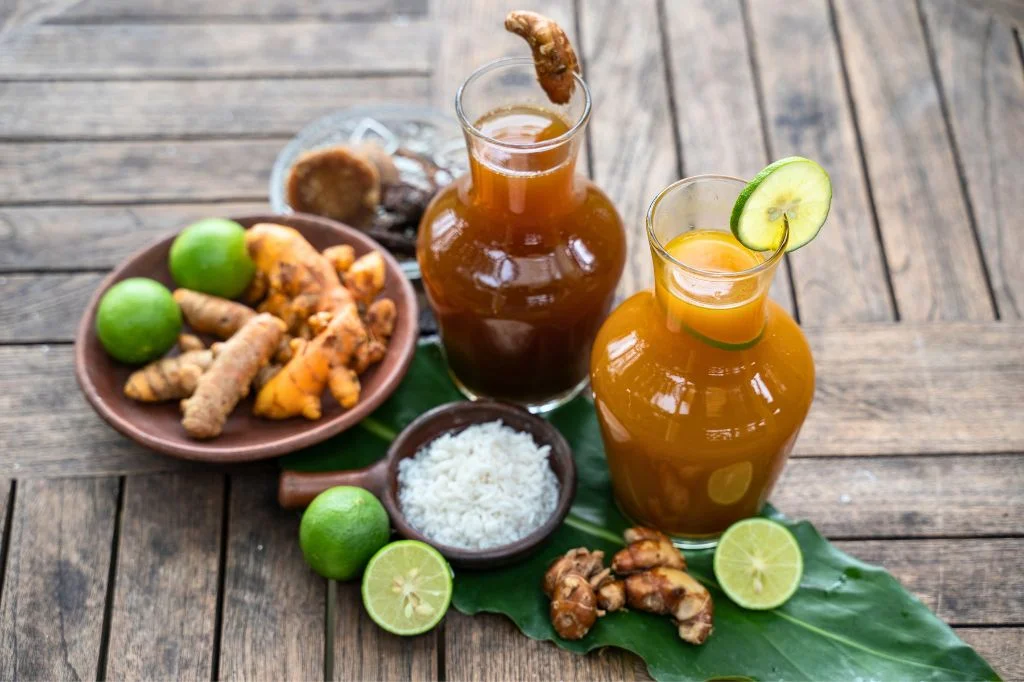
Staying hydrated in Bali’s heat is non-negotiable, but you can do better than just water. While you should always stick to bottled or filtered water (and be wary of ice), enhance your hydration with fresh young coconut water (kelapa muda) or Jamu. You can learn more about this powerful tonic in our guide to Indonesia’s traditional herbal drink.
4. “Listen” to Your Stomach
Traveling can be tough on the digestive system, so it’s important to listen to your body’s signals. Ease into spicy food gradually, avoid overeating, and trust your senses—if a dish looks or smells like it’s been sitting out for too long, it’s best to skip it. A little mindfulness before you eat goes a long way.
5. Have a “Bali Belly Rescue” Plan
Even with the best precautions, stomach issues can sometimes happen. Being prepared removes the anxiety, so have a simple rescue plan. Pack activated charcoal tablets and oral rehydration salts (available at any apotek) for quick relief from mild cases. For more severe dehydration, it’s reassuring to know faster solutions exist; you can learn how IV hydration can speed up your recovery in our detailed guide.
Final Thoughts: Eat Well, Travel Well
Healthy eating in Bali is an adventure, not a burden. It’s about being mindful, making smart choices, and embracing the incredible freshness the island has to offer. By following these simple tips, you can enjoy the best of Balinese cuisine while feeling vibrant and ready for whatever your travels bring. This balanced approach is the key to healthy eating while traveling in Bali.
Frequently Asked Questions
Is it safe to eat from street food carts (kaki lima) in Bali?
Use your judgment. Look for carts that are busy, clean, and cook the food fresh to order. If in doubt, it’s safer to stick to warungs and restaurants.
What is “Nasi Campur” and is it a healthy option?
Nasi Campur is mixed rice with various small dishes. It can be very healthy! Opt for more vegetable dishes (sayur), grilled proteins (bakar), and ask for less rice (sedikit nasi).
Can I drink the tap water if I boil it?
It is strongly advised to stick to bottled or filtered water for drinking at all times. Use boiled tap water for brushing teeth if you must, but bottled water is safest.
Are salads safe to eat in Bali?
In reputable cafes and restaurants that cater to tourists, yes. They wash their produce with filtered water. Be more cautious at smaller, local warungs.
What are some healthy Balinese dishes I should try?
Look for Gado-Gado (vegetables with peanut sauce), Urap (a Balinese salad), Sate Lilit (minced meat satay), and Pepes Ikan (steamed fish in banana leaf).
I’m vegetarian/vegan. Is it easy to eat healthy in Bali?
Bali is a paradise for vegetarians and vegans! Tempeh and tofu are staples, and almost every menu has extensive plant-based options.
What’s the best way to wash fruits from the market?
The safest method is to rinse them thoroughly with bottled or filtered water. Some people also use a food-safe vegetable wash.
Are there healthy snacks I can buy at a minimart?
Yes, look for fresh fruit like bananas, unsalted nut packets, and yogurt. Many minimarts also carry protein bars and healthy snack options.
How can I politely say “not spicy” in Indonesian?
You can say, “Tidak pedas” (Tee-dak puh-das). For a little spicy, say “Sedikit pedas” (Suh-dee-kit puh-das).
What are charcoal tablets and why should I bring them?
Activated charcoal tablets are a popular traveler’s remedy. They can help absorb toxins in your stomach and may provide relief from mild indigestion or diarrhea. They are available at most pharmacies (apotek) in Bali.