Ever felt curious about yoga but were held back by thoughts of not being flexible enough, not having time, or feeling intimidated by a studio? You’re not alone. The great news is that you don’t need anything special to begin. This simple guide is designed to help you start a daily yoga practice at home today, exactly as you are.
Why a Daily Practice Matters (Even for Just 10 Minutes)
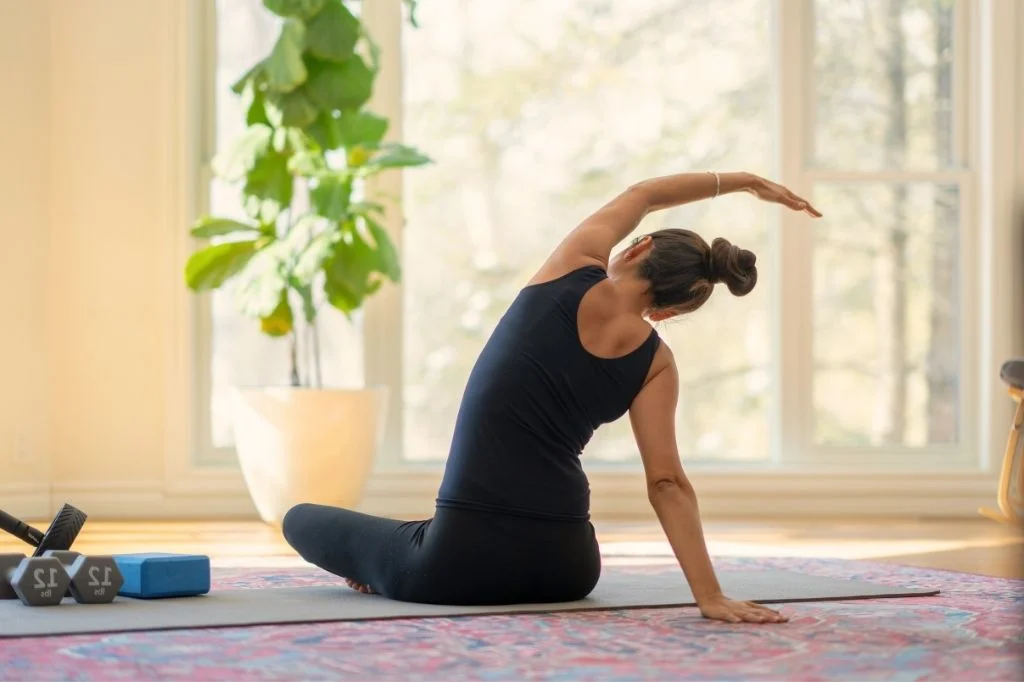
The secret to yoga isn’t intensity; it’s consistency. A short, 10-minute session every day is far more beneficial than a grueling hour-long class once a month. This consistency builds a powerful habit that compounds over time. Even brief practices can lead to remarkable results, such as reduced stress, improved posture, and a welcome sense of mental clarity.
Your 7-Step Guide to Starting Today
This is your practical roadmap. Each step is designed to be simple, achievable, and free of pressure. Let’s begin.
1. Find Your “Sacred” Space
You don’t need a dedicated studio, just a quiet corner in your home that is clean and clutter-free. This becomes your personal spot to unwind. Using the same space daily signals to your brain that it’s time to connect with yourself, perhaps after A 5-Minute Morning Meditation.
2. Get the Bare Essentials (Hint: You Only Need a Mat)
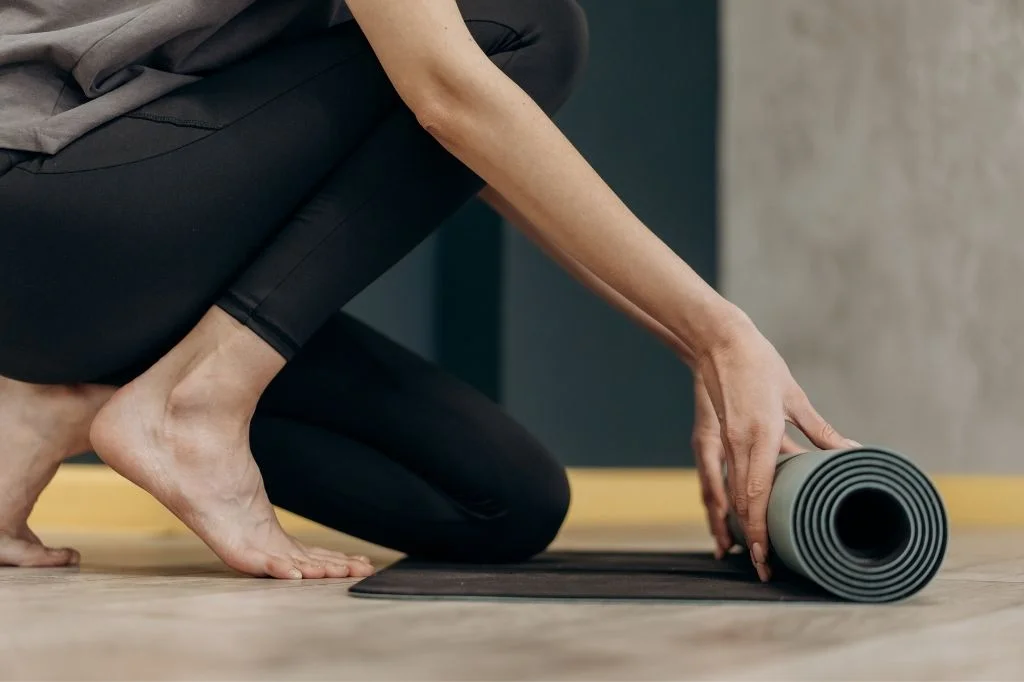
Forget the myth that you need expensive, branded gear to do yoga. All you truly need to begin is a yoga mat. It provides a stable, non-slip surface that protects your joints and gives you the grip needed for foundational poses.
3. Choose a Time and Stick to It
Habits are built through routine. The easiest way to stay consistent is to link your yoga practice to an existing daily habit, like right after you wake up. The specific time of day is less important than your commitment to showing up regularly.
4. Start with a Trusted Online Guide
The internet is your free, on-demand yoga studio. Go to YouTube and search for terms like “yoga for complete beginners” or “10-minute beginner yoga at home.” Using a guided video removes the guesswork and provides the structure you need as you learn.
5. Learn 3-5 Foundational Poses
Don’t overwhelm yourself by trying to master dozens of poses. Start by getting comfortable with a few key poses that you’ll see in most classes, such as Cat-Cow, Downward-Facing Dog, and the calming Child’s Pose.
6. Focus on Your Breath, Not on Perfection
This is the most crucial step. Yoga isn’t about forcing your body into a perfect shape; it’s about linking your movement to your breath. As you move, focus on your inhales and exhales. This simple act transforms the practice into a moving meditation.
7. Be Kind to Yourself: Consistency > Intensity
Some days you will feel energetic and other days you will feel tired. Both are okay. The goal is simply to show up on your mat. A gentle, 5-minute session is infinitely better than no practice at all. Celebrate your effort, not the outcome.
A Sample 15-Minute Beginner Routine
Feeling ready to try? Here is a simple, text-based routine you can follow right now:
- Minutes 0-2: Centering & Breath. Sit comfortably on your mat. Close your eyes and take slow, deep breaths. Simply notice the feeling of the air entering and leaving your body.
- Minutes 2-7: Gentle Warm-Up. Move to your hands and knees and flow through 10-15 rounds of Cat-Cow, linking your inhales to arching your back and your exhales to rounding it.
- Minutes 7-12: Foundational Flow. From hands and knees, tuck your toes and lift your hips into Downward-Facing Dog. Hold for 5 breaths. Gently lower back to your knees. Repeat this 3-4 times.
- Minutes 12-15: Cool-Down. From your last Downward-Facing Dog, lower your knees wide and sink your hips back into Child’s Pose. Rest your forehead on the mat and breathe deeply for the final few minutes.
Final Thoughts: Your Journey Starts Now
The journey of a thousand miles begins with a single step. By reading this guide, you’ve already taken that first, most difficult step to start a daily yoga practice at home. Remember that your practice doesn’t have to be perfect; it just has to be yours. It’s a wonderful tool for wellness, much like doing some simple stretches to do after a long flight. Roll out your mat, take a deep breath, and begin.
Frequently Asked Questions about Yoga Practice
What is the best time of day to do yoga?
The best time is simply the time you can be consistent with. Many people prefer the morning to start their day with calm energy, while others enjoy an evening practice to unwind. Experiment and see what feels best for your body and schedule.
Do I need to be flexible to start yoga?
Absolutely not! This is one of the biggest myths about yoga. You don’t need to be flexible to start; yoga is the practice that helps you build flexibility and mobility over time. The goal is progress, not perfection.
Can I do yoga on a carpet instead of a mat?
While you can do some simple stretches on a carpet, a yoga mat is highly recommended. A mat provides a stable, non-slip surface that protects your joints (like wrists and knees) and gives you the proper grip needed for foundational poses.
How many days a week is considered a “daily” practice?
Don’t get too caught up on the word “daily.” For a beginner, practicing 4-5 days a week is a fantastic achievement and will bring huge benefits. The goal is to create a consistent routine that feels sustainable for you.
Can I lose weight by doing yoga at home?
While some dynamic styles of yoga can burn a significant number of calories, its primary benefits are building lean muscle, reducing stress (which can impact weight), and fostering a healthier mind-body connection. It’s a wonderful complement to an overall healthy lifestyle.
What should I wear for at-home yoga?
Wear anything that is comfortable and allows you to move freely without restriction. Standard gym clothes, leggings, shorts, and a t-shirt are all perfect. You don’t need fancy yoga brands to get started.
Should I eat before or after my practice?
It’s generally best to practice on a relatively empty stomach to avoid discomfort in twisting or forward-bending poses. Try to wait at least 1-2 hours after a light meal. If you’re practicing in the morning, it’s usually fine to do so before breakfast.
What’s the difference between yoga and just stretching?
The key difference is the conscious connection to the breath (pranayama). While stretching focuses purely on lengthening muscles, yoga synchronizes every movement with an inhalation and exhalation, turning a physical exercise into a moving meditation.
I have a bad back/knee. Can I still do yoga?
It is essential to consult with your doctor or a physical therapist before starting any new exercise routine if you have pre-existing injuries. Once you are cleared, look for online classes specifically labeled “gentle yoga,” “restorative,” or “yoga for back pain,” and always listen to your body, avoiding any poses that cause pain.
How do I stay motivated to practice every day?
The best trick is to start small—commit to just 5 or 10 minutes a day. Track your progress in a journal and, most importantly, focus on how you feel after each practice rather than how you look. That feeling of post-yoga calm and accomplishment will become your biggest motivator.